Source Two-Way Clamp PCB Soldering Holder for Auto, Lighting, Electronics
Compare 30 listings for the Two-Way Clamp PCB Soldering Holder designed for circuit board fixation in auto, lighting, and electronics industries. Buyers can evaluate specifications, certifications, and customization options to find the right supplier.
Key considerations
Products List
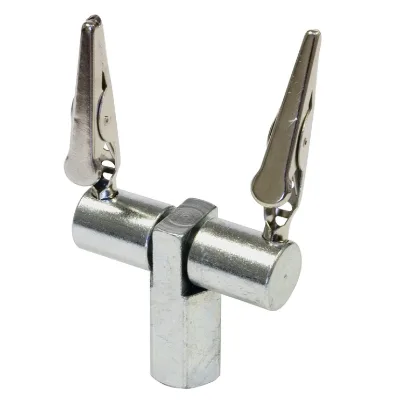
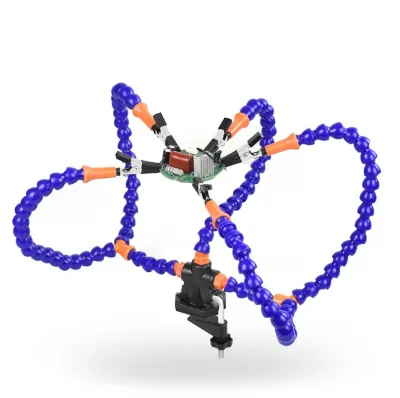


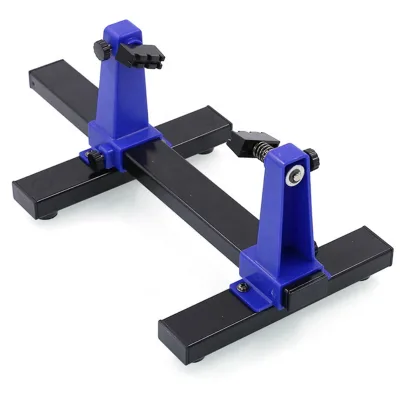
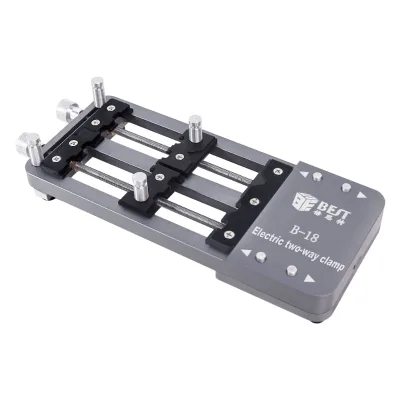




D Sub 9 Pin Solder Connector Male Right Angle 5.8 Elevated Type for PCB Mount
$1.20 - $1.30
MOQ: 500 Pieces




Comprehensive Sourcing Guide
Strategic Sourcing Guide for Two-Way Clamp PCB Soldering Holders
Understanding Product Variants and Core Functionality
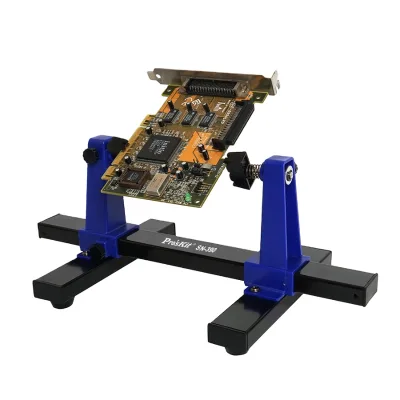
The core keyword "two-way clamp pcb soldering holder" describes a specialized category of industrial hardware designed to secure printed circuit boards (PCBs) during assembly, rework, and testing processes. In the context of B2B procurement, it is critical to recognize that this terminology often encompasses a diverse range of mechanical configurations rather than a single monolithic product. Based on observed market data, the functional landscape includes devices explicitly labeled as "Wire Holder Assemblies" designed to attach and hold wire, as well as more complex fixtures such as "Five claw table clamps" intended for circuit board fixation. These variations serve the same ultimate purpose: providing a stable, immobile platform for soldering operations, yet they differ significantly in their mechanical structure and application scope.
Buyers must distinguish between simple clamping mechanisms and automated systems. While some products in this category are manual, such as those described with a "G Clamp" structure or "Heavy Duty Clamp" usage, others integrate advanced features like "Automatic" control and "5 Axis" movement capabilities. The latter are often associated with high-precision environments in the "Auto Industry" or "Lighting Industry." The "Five claw table clamp" example illustrates a specific design philosophy where multiple points of contact ensure stability for irregularly shaped boards. When sourcing, procurement teams should not assume that all "two-way" clamps offer identical holding power or adjustability. The "Style" of the equipment, whether "Desktop" or floor-standing, dictates the spatial requirements of the workstation. Furthermore, the "Application" scope is broad, ranging from general "Electrical & Electronics Industry" tasks to specialized "Communication Industry" needs. A thorough understanding of these distinctions prevents the procurement of a generic clamp that fails to meet specific engineering tolerances or workflow requirements.
Technical Specifications and Mechanical Performance
When evaluating the technical specifications of a two-way clamp PCB soldering holder, buyers must scrutinize the material composition, dimensional standards, and thermal resistance capabilities. The material of construction is a primary determinant of durability and safety. Market observations indicate that "Plastic" is a common material for certain housing or non-conductive components, often utilizing "Injection Molding" processes to achieve complex shapes like "U" shaped interfaces. However, for high-temperature soldering environments, the structural integrity of the clamp is paramount. Some specifications reference a "Max Temperature" of 520℃, which is a critical threshold for lead-free soldering processes. Buyers must verify that the clamp materials can withstand these temperatures without deforming or releasing toxic fumes.
Dimensional consistency is another vital technical parameter. Specifications such as "9006501100mm" provide a reference for the physical footprint of larger automated units, while smaller handheld or desktop clamps may adhere to different "Single package size" metrics, often noted as "XX cm" in generic listings. The interface type is equally significant; for instance, a "BNC" interface type suggests compatibility with specific signal testing or grounding requirements, whereas a "Single Hole Terminals" design with a "Ni" (Nickel) plating indicates a focus on electrical conductivity and corrosion resistance. The "Soldering Wire" diameter compatibility, observed in ranges like "0.6-1.2", must align with the specific wire gauges used in the buyer's production line. Additionally, the "Tip Clean" mechanism, described as "Automatic Air Clean" in some automated systems, represents a feature that reduces maintenance downtime and ensures consistent solder joint quality.
The following table summarizes key technical attributes observed in the current market landscape to assist in specification comparison:
| Attribute Category | Observed Specification Examples | Procurement Verification Point |
|---|---|---|
| Material | Plastic, Ni (Nickel) Plated | Verify thermal stability and conductivity ratings. |
| Temperature | Max 520℃ | Confirm resistance to specific soldering alloys. |
| Structure | G Clamp, Five Claw, U Shape | Assess stability for specific PCB geometries. |
| Interface | BNC, Single Hole Terminals | Ensure compatibility with test equipment. |
| Control | Automatic, Dual Temperature | Determine level of automation required. |
| Dimensions | 9006501100mm, XX cm | Validate workstation fit and space requirements. |
Compliance, Certification, and Safety Standards
Navigating the compliance landscape is essential for B2B procurement, particularly when sourcing equipment that interacts with high temperatures and electrical systems. The supply chain for these clamps often includes certifications such as "ISO" and "CE," which indicate adherence to international quality management and safety standards. However, buyers must exercise caution, as some listings may also reference "BS" (British Standards) certifications. It is imperative to verify the specific scope of these certifications rather than accepting them as blanket guarantees. The "Certification" field in product data often lists multiple standards, but the actual compliance of a specific batch must be confirmed through valid documentation.
Safety is a primary concern in soldering applications. The "Character" of the product, such as "Environmental Protection," suggests that the materials used may be compliant with regulations regarding hazardous substances. For products involving electrical connections, the "Type" classification, such as "Male" gender or "Single Hole Terminals," must align with safety protocols to prevent short circuits or electrical shocks. The "Standard" designation, often listed simply as "Standard," requires further investigation to identify the specific national or international standard number (e.g., IEC, UL) that governs the product's safety. Buyers should not rely on the presence of a certification label alone; they must request test reports or certificates of conformity that explicitly cover the specific model number, such as "JT-AS198" or "sd070," to ensure the unit meets the required safety thresholds for their facility.
Cost Drivers and Pricing Dynamics
The pricing structure for two-way clamp PCB soldering holders is influenced by a complex interplay of factors, including material costs, manufacturing complexity, and automation levels. The observed price range in the market spans from $0.01 to $7,000, reflecting the vast difference between simple manual clamps and fully automated, multi-axis systems. A "Wire Holder Assembly" or a basic "G Clamp" will naturally fall at the lower end of this spectrum, whereas a "5 Axis" system with "Automatic" control and "Dual Temperature" regulation will command a premium price. The "Selling Units" metric, typically listed as "Single item," indicates that these products are often sold individually, which can affect bulk pricing strategies.
Material selection is a significant cost driver. Products utilizing "Plastic" via "Injection Molding" are generally more cost-effective than those requiring metal alloys or specialized plating like "Ni." However, the "Heavy Duty" nature of some clamps may necessitate higher-grade materials, increasing the unit cost. The level of customization also impacts pricing. The availability of "Customization" options allows buyers to tailor the product to specific needs, but this typically incurs additional tooling or setup fees. Furthermore, the "Production Process" plays a role; automated manufacturing lines may offer better consistency but higher initial overheads compared to manual assembly. Buyers should analyze the total cost of ownership, considering not just the purchase price but also the potential for reduced downtime, improved quality, and lower maintenance costs associated with higher-end models.
Typical Applications and Industry Alignment
The versatility of two-way clamp PCB soldering holders makes them applicable across a wide array of industries. The "Application" field in product data frequently cites the "Auto Industry," "Lighting Industry," "Electrical & Electronics Industry," and "Communication Industry." In the automotive sector, these clamps are essential for securing complex wiring harnesses and control boards during assembly. The "Lighting Industry" relies on them for the precise placement of LED drivers and circuit boards. For the "Electrical & Electronics Industry," the primary function is to "Conduct Electricity" effectively while holding the board steady, ensuring that soldering joints are reliable and consistent.
The "Functional Application" of these devices extends beyond simple holding. For example, the "Five claw table clamp" is specifically designed for "Circuit board fixed" operations, providing multi-point stability that prevents warping or movement during the soldering process. The "Usage" description, such as "To attach and hold wire," highlights the role of these clamps in managing cable management and strain relief during assembly. In high-volume manufacturing environments, the "Automatic" nature of some clamps allows for integration into assembly lines, significantly increasing throughput. The "Style" of the equipment, whether "Desktop" or industrial-grade, must match the production volume and the physical constraints of the factory floor. Understanding these specific industry alignments helps buyers select a product that not only fits their technical requirements but also integrates seamlessly into their existing operational workflows.
Supplier Evaluation and Quality Assurance
Evaluating suppliers for two-way clamp PCB soldering holders requires a rigorous approach to quality assurance and verification. The "Place of Origin" is a critical factor, with "China" being a dominant source, specifically regions like "Guangdong" and "Ningbo, Zhejiang." While these regions are known for manufacturing capabilities, buyers must verify the specific factory's quality control processes. The "Condition" of the product, typically listed as "New," should be confirmed to ensure that no refurbished or used items are being sold as new. The "Brand Name" is often listed as "Original brand," but buyers should investigate the actual manufacturer to ensure brand authenticity and support.
Quality control should extend to the packaging and shipping process. The "prod_packing" details, such as "Plywood" or "1PC/Blister," indicate the level of protection provided during transit. For delicate electronic components or precision mechanical parts, robust packaging is essential to prevent damage. The "Model Number" consistency is also vital; discrepancies between the ordered model (e.g., "TBS-T-6331RCM") and the delivered product can lead to functional failures. Buyers should request samples for testing before committing to large orders, verifying that the "Max Temperature," "Power" ratings (e.g., "100W"), and "Temperature Control" mechanisms function as advertised. Additionally, the "Welding Spot Number" capability, described as "Multiple," should be validated to ensure the clamp can handle the specific soldering requirements of the buyer's production line.
Long-Term Procurement and Lifecycle Management
Sourcing a two-way clamp PCB soldering holder is not merely a transactional event but a strategic decision that impacts long-term operational efficiency. The "Customization" availability suggests that suppliers may offer ongoing support for modifications, which is valuable as production requirements evolve. However, buyers must consider the "Lead Time" and "MOQ" (Minimum Order Quantity) implications, which can range from 1 to 10,000 units. High-volume orders may benefit from economies of scale, but they also require careful inventory management to avoid obsolescence.
Maintenance and replacement parts are crucial for long-term viability. The "Tip Clean" and "Soldering" features, such as "Stand" configurations, may require specific consumables or replacement parts. Buyers should inquire about the availability of spare parts and the supplier's support infrastructure. The "Standard" compliance of the product should be reviewed periodically to ensure it remains up-to-date with evolving industry regulations. Furthermore, the "Character" of the product, such as "Environmental Protection," should be monitored to ensure continued compliance with changing environmental laws. By focusing on these long-term considerations, buyers can secure a reliable supply chain that supports their manufacturing goals for years to come, minimizing downtime and maximizing the return on investment in their soldering infrastructure.
FAQs
What is the maximum temperature rating for these clamps?
The maximum temperature rating observed is 520 degrees Celsius. This threshold is critical for lead-free soldering processes, ensuring the clamp materials do not deform or release toxic fumes during high-heat operations.
Which certifications are available for these soldering holders?
Available certifications include ISO, CE, and BS standards. Buyers must verify the specific scope of these certifications for the exact model number to ensure compliance with international safety and quality management protocols.
Can these clamps be customized for specific needs?
Customization is available for these products. Buyers can tailor the design to specific engineering tolerances, though this typically incurs additional tooling or setup fees depending on the complexity of the request.
What is the minimum order quantity for these items?
The minimum order quantity ranges from 1 to 10,000 units. This wide range allows flexibility for small prototype orders as well as large-scale industrial procurement depending on the specific supplier and model selected.
Where are these products typically manufactured?
Products originate from China, specifically regions like Guangdong and Ningbo, Zhejiang. Buyers should verify the specific factory location to ensure quality control processes align with their facility requirements.
How do automated clamps differ from manual ones?
Automated clamps feature automatic control and five-axis movement capabilities. These systems are designed for high-precision environments in industries like automotive or lighting, whereas manual options like G clamps are simpler and less expensive.